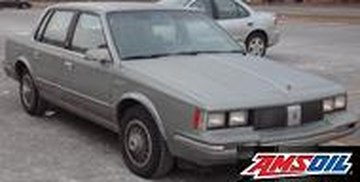
Maintaining Lubrication Integrity for the 1982 Oldsmobile CUTLASS 5.0L
Proper engine lubrication is a cornerstone of long-term vehicle health, particularly for an engine like the 5.0L found in the 1982 Oldsmobile CUTLASS. Maintaining the correct fluid condition ensures that internal components remain protected against friction and heat. For owners of this era of vehicle, staying proactive with inspection and fluid management is the most effective way to manage the mechanical life of the engine.
Monitoring Fluid Condition and Potential Leaks
One of the primary responsibilities in routine maintenance is the regular observation of the engine's exterior and the condition of the lubricant itself. Because vehicles from this period utilize various seals and gaskets, it is useful to perform periodic visual inspections. Look for any signs of fluid seepage around the engine block or where major components meet. Even a small amount of moisture or staining can be an early indicator that a seal may be losing its effectiveness.
When checking the oil level, pay close attention to the appearance of the lubricant on the dipstick. While some discoloration is normal as oil ages and collects microscopic debris, significant changes in texture or color should be noted. If the fluid appears excessively dark or contains visible particulates, it may indicate that the interval between service changes has been exceeded. Furthermore, if you notice any unusual odors near the engine compartment during operation, this warrants a closer inspection to determine if lubricant is contacting warmer external surfaces.
Managing Maintenance Records and Service History
For an owner of a 1982 Oldsmobile CUTLASS, establishing a clear maintenance baseline is highly beneficial. If you have recently acquired the vehicle, reviewing any available service records can provide insight into how the 5.0L engine has been treated in the past. Knowing when the last oil change occurred or when various filters were replaced helps prevent the oversight of critical service tasks.
If documentation is incomplete, the best approach is to begin a fresh log of all maintenance activities. Documenting every oil change, filter replacement, and fluid inspection creates a reliable history that can assist in identifying patterns. For example, if you notice that the engine requires more frequent top-offs than it did six months ago, having a written record allows you to pinpoint exactly when that change in consumption began. This data is invaluable for distinguishing between normal aging and a developing mechanical issue that requires professional attention.
Observing Potential Warning Signs
While many maintenance tasks are proactive, being able to recognize symptoms that require investigation can prevent more significant issues. It is important to remember that various symptoms can have multiple underlying causes; therefore, an observation should be treated as a prompt for inspection rather than a definitive diagnosis.
- Changes in Lubricant Consumption: If you find yourself needing to add oil more frequently than usual, investigate the cause. This could be related to external leaks or internal engine characteristics.
- Visual Indicators: Any evidence of fluid pooling under the vehicle during or after parking should be addressed promptly.
- Operational Changes: While many mechanical sounds are normal for a vintage engine, any new or persistent noises that coincide with engine operation should be evaluated by a technician.
- Warning Indicators: If the dashboard displays any fluid-related warning lights, stop the vehicle safely and consult the owner's manual to understand the immediate requirements for the engine.
By treating these signs as indicators for further investigation rather than immediate failures, you can approach maintenance with a calm, methodical mindset.
Prioritizing Service Tasks Based on Current Condition
As vehicles age, maintenance strategies often shift from strictly following a calendar to focusing on the actual condition of the components. For the 1982 Oldsmobile CUTLASS, this means prioritizing tasks that address the current state of the engine and its supporting systems.
If you discover an active leak or notice a significant change in how the engine is performing, these issues should take precedence over routine cosmetic or secondary maintenance. Similarly, if the vehicle has been sitting for an extended period, it is wise to inspect all rubber components—such as hoses and belts, if equipped—for signs of cracking or hardening before regular operation resumes. Addressing active concerns first ensures that the most critical systems are stabilized before moving on to general preventive care.
Distinguishing between necessary repairs and unnecessary parts replacement is a key skill for long-term ownership. Focus on components that show actual wear or degradation rather than replacing parts simply because of their age. This condition-based approach ensures that maintenance funds and efforts are directed where they will provide the most benefit to the 5.0L engine.
Practical Inspection of Engine Components
A thorough inspection does not always require specialized tools. During routine service, you can perform several useful checks. If equipped, inspect accessible drive belts for signs of glazing, fraying, or surface cracking. Similarly, check any visible hoses for softness, bulging, or leaks at the connection points. These components are vital to the overall operation and health of the engine environment.
Electrical connections and wiring harnesses should also be checked for signs of corrosion or damage. Ensuring that sensors and connectors are clean and securely seated can prevent erratic readings that might otherwise be mistaken for mechanical failures. Consistent, low-effort inspections like these are often more effective than infrequent, intensive teardowns.
Buying Engine Oil for your 1982 Oldsmobile CUTLASS 5.0L
When it is time to replenish the lubricant in your engine, the most important step is to ensure the product matches the specific requirements of your application. Rather than relying on general assumptions about older engines, you should always refer to the vehicle-specific oil viscosity and application information provided on this webpage.
Before making a purchase, carefully check the product labeling to confirm it meets the necessary standards for your engine. You may encounter various formulations, including conventional, synthetic blends, or full synthetic oils. Some high-mileage oil formulations also contain additives intended for use in aging engines, such as seal-conditioning agents. While these can be useful, always prioritize the viscosity and quality specifications listed in your application data to ensure the lubricant provides the appropriate level of protection for your 5.0L engine.